
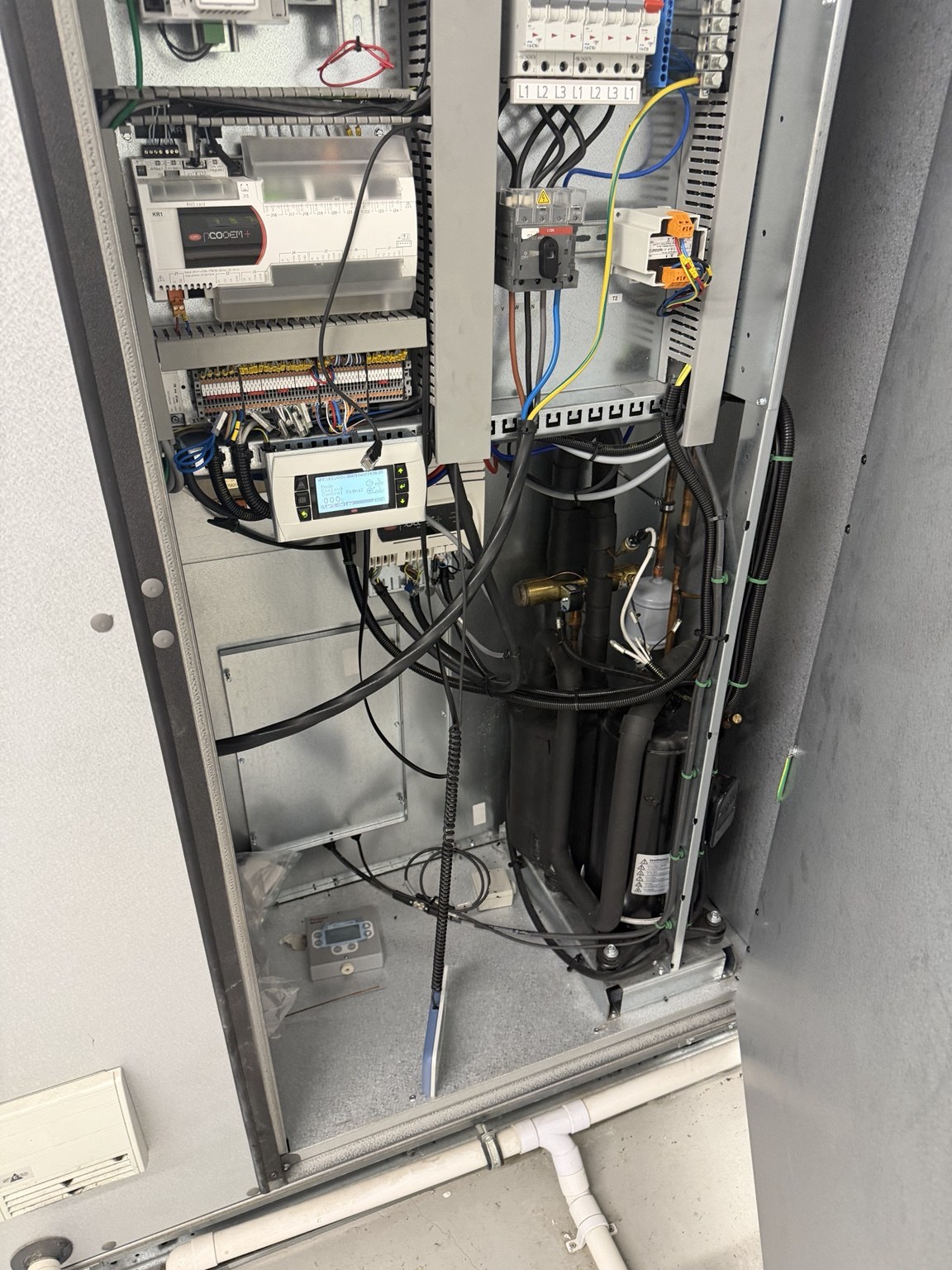
Reactive support
Reactive HVAC support
Plant fails at the worst possible time. What matters then is getting an engineer with the right information, the right parts access and the authority to make a decision.
How reactive calls are handled
- Fault details and site access taken up front to avoid a wasted visit
- Attendance prioritised by business impact — stock, guests, server rooms
- Diagnosis with readings recorded, not guesswork
- Priority access to essential components for faster repairs
- Temporary cooling arranged where the permanent fix will take time
- Written report with cause, remedy and any follow-up works
Reactive breakdown support for commercial sites, including planned out-of-hours attendance.
Reactive without a contract
We attend one-off commercial breakdowns as well as contract sites. If the same plant keeps failing, we will say so, and give you the cost of putting it right against the cost of continuing to call it in.
Contract clients get priority response and their site history already on file, which is usually the difference between a first-visit fix and a return trip. See how maintenance contracts work.
Common questions
- Do you attend sites you do not maintain?
- Yes, where we have the capacity and the plant is something we work on. Contract sites are dealt with first, which is one of the practical reasons buildings that rely on cooling put a maintenance agreement in place.
- What information do you need when reporting a breakdown?
- Site address, what the plant is and where it is, what the fault looks like from your end, any fault codes on the controller, when it started, an access contact, and any restrictions such as trading hours, permits or escorting.
- The same system keeps failing. Why?
- Repeat failures usually trace back to something that was never actually fixed: a leak that has been topped up rather than repaired, a soiled condenser causing high-pressure trips, a failed sensor or control that resets itself, or plant that is simply at the end of its life and being nursed. Diagnosis should identify which, and the report should say so plainly.
- Can you provide temporary cooling while a repair is arranged?
- Where a space genuinely cannot go without cooling, temporary equipment can be arranged as a stop-gap while parts or a replacement are organised. It is a bridge, not a fix, and we would say so.
Related commercial HVAC services
Something down right now?
Email the site address, the plant and the fault. Include an access contact and any out-of-hours restrictions.